2022
India
Global Okra Research & Trade
BACKGROUND
Okra (Abelmoschus esculentus L. Moench) is an important vegetable crop belonging to the family Malvaceae. Okra is grown throughout the tropical and subtropical regions of the world and in warmer parts of the temperate zone. India is the largest producer of okra globally, with a contribution of more than 72% (6 million tonnes) from an area of 0.5 million hectares (NHB, 2020). Okra has vast potential for earning foreign exchange as it has a significant share in fresh vegetable export (APEDA, 2020). Tender pods of okra are used as a delicious vegetable.
Download
Its leaves, buds, and flowers are also consumed especially in West Africa. It is used in canned, dehydrated, and frozen forms to a limited extent. Okra mucilage is used as a food, non-food and medicinal product. Okra dry seeds are a rich source of oil (18-20%) and protein (20-23%). During the sugar production process, okra roots and stems are used to clean the cane juice. The okra development in India had taken place with the release of Pusa Sawani, the first YVMV (Yellow Vein Mosaic Virus) resistant variety by Dr. Harbhajan Singh at IARI, New Delhi in late fifties. Pusa Sawani remained a ruling variety for several decades worldwide. Many private seed companies in India, like Mahyco started their seed business with this variety. Later on with the development of Parbhani Kranti by Drs. Jambhale and Nerker and Arka Anamika by Dr. O.P. Dutta in nineties the okra development taken a further boost. With the expansion of private seed companies in India after eighties, okra research and development resulted into advent of hybrids both by private and public sector on a large scale, e.g Vijay and Varha (IAHS), Sun 40 (Pioneer), Mahyco-10 (Mahyco), OH 152 (Syngenta) Shakti (Nunhems), CO-4(TNAU), Arka Nikita -GMS Based (IIHR) Kashi Bhairav (IIVR), Pusa Okra Hyb-1(IARI) etc were key products.
The introduction of a short inter-noded strong virus-resistant hybrid Radhika (15-20% more yield) by Advanta (2018) enhanced the popularity of hybrid okra across India. Adaptation of hybrids has been easier as no enhanced agro-technique and additional costs were required to grow the hybrid vs open-pollinated (OP) varieties. Hence, a ₹ 90-crore ($11 m) seed revenue per year in 2011 has now become a ₹ 1000-crore ($112 m) annual market and growing continuously at the rate of about around 8-10 percent.
As per FAO estimates around 75 percent of the Okra market is in India and 12% is in Nigeria. However, in more than 30 West and Central African countries, okra is cultivated as both rain-fed and irrigated crop and is the most valued and popular vegetable consumed in fresh and dried forms. The last five years have seen okra gaining ground as a global crop as its nutritional values are being recognized by consumers. This is especially after COVID pandemic that healthy and balanced diet is getting imbedded in the global mindset. Okra seeds are getting exported to over 20 countries from India. Recently, increased number of research papers on its genetics, breeding, genomics, and agronomy from Asia and African countries have appeared. This is further indication of it becoming a global crop. Over 80 percent market is covered by hybrid seeds in India. Global seed requirement is expected to be 6000 mt by 2030 making it a $ 300m crop soon..
Proposal
Seeing the okra crop production scenario, it is a great time to bring all okra crop improvement scientists and other stakeholders together for a ‘Global Okra Roundtable’ under the aegis of ATPBR and fully supported by ICAR-IARI, New Delhi where the okra virus resistance breeding started with the release of variety Pusa Sawani by the Late Dr. H. B. Singh. This was followed by the path-breaking virus-resistant varieties bred at Indian Council of Agricultural Research (ICAR) institutes like the Indian Institute of Horticultural Research in Bangalore and Indian Agricultural Research Institute in New Delhi, Agricultural Universities like Vasantrao Naik Marathwada Krishi Vidyapeeth in Parbhani, Punjab Agricultural University, Ludhiana, Punjab and Chaudhary Charan Singh Haryana Agricultural University, Hisar, Haryana. The time for conducting the conference will be Oct 10-12, 2022, which will include a field day on Okra at the IARI campus. GORT can develop into a biennial conference so that Okra stakeholders can meet & take the crop forward.
Organizing Committee Members
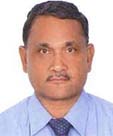
Dr A K Singh
Patrons
Director ICAR-IARI
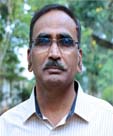
Dr. K.K. Narayanan
Patrons
Director
ATPBR
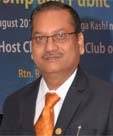
Dr. S K Tikoo
Chairman
Tierra Agrotech Ltd,
Independent Director ATPBR
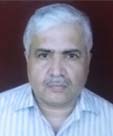
Dr. B.S. Tomar
Co-Chair
Joint Direct Extension
ICAR-IARI, India
Dr. Aparna Tiwari
Secretary
Founder, Director
ATPBR, Aurangabad, India
Dr R. K. Yadav
Co-organizing Secretary
Principal Scientist
ICAR-IARI, New Delhi, India
Dr. Sharad Angadi
Treasurer
Director
ATPBR Aurangabad, India
Dr. Suman Lata
Treasurer
Scientist
ICAR-IARI, New Delhi, India
Dr Prashant Balagamwar
Member
Business Director
Advanta India Ltd
Dr Abe Shegro Gerrano
Member
Sr Researcher
Agriculture Res Council, S Africa
Dr T K Behera
Member
Director
ICAR- IIVR
Dr Krishna Reddy
Member
Ex Head Plant Pathology
ICAR-IIHR
Dr. M Pichimuthu
Member
Principal Scientist
ICAR-IIHR
Dr K V Ravishankar
Member
Principal Scientist
Biotechnology, ICAR-IIHR
Dr Parag Agarwal
Member
Lead Vegetable Research
VNR Seeds, Raipur
Dr Umesh Shelkar
Member
Trait Development Lead Okra, Syngenta, Karnal, India
Dr VSR Krishna Prasad
Member
Breeding & Research Lead
Tiera Agrotech Ltd
Dr Prassanna K
Member
Lead, Veg Res
Bayer Crop Science, India
Dr Sanjeet Kumar
Member
Ex-Plant Breeder,
ICAR, Varanasi, India
Dr Manoj Phalak
Member
Sr Veg Breeder
Ankur Seeds, India
Dr. Ajaz Ahmed Malik
Member
Scientist
SKUAST, Kashmir
Dr. Girish Patil
Member
R & D Manager
East West Seeds India Pvt Ltd
Dr. Manish Bhatnagar
Member
Growth Unit Lead
Mahyco Pvt Ltd.
REGISTRATION
Registration for the conference will be open from 25th July 2022.
| Registration Type |
Early Bird Rate (Till August 10) |
Regular Rate (Till Oct 4) |
On site |
| Indian participants |
₹ 5900 |
₹ 7080 |
₹ 8260 |
| Students |
--- |
₹ 1000 |
₹ 2000 |
| Foreign delegate |
$ 200 |
$ 250 |
$ 300 |
| Online Registration |
--- |
₹ 2000 |
₹ 3000 |
Bank Detail
Account Name : Foundation for Advanced Training in Plant Breeding (ATPBR)
Bank Name: HDFC
Account No. 50200050384008 (Current)
IFSC Code: HDFC0000113, Aurangabad, Maharashtra
GST: 27AADCF2861J1ZI
SPONSORSHIP OPPORTUNITY
STRUCTURE FOR SPONSORSHIP OPPORTUNITY
| Sr |
Detail |
No |
Amount (Lac) |
| 1 |
Platinum |
1 |
7.0 |
| 2 |
Gold |
2 |
5.0 |
| 3 |
Networking/Gala Dinner |
1 |
3.5 |
| 4 |
Silver |
1 |
2.5 |
| 5 |
Bronze |
1 |
1.5 |
| 6 |
Lunch |
2 |
1.0 |
| 7 |
Exhibitors |
10 |
0.30 |
| 8 |
Advertisement |
2 |
0.20 |
- Ten complimentary registrations
- Once speaker slot in a session of choice
- One exhibition booth in a centra location (6x3m) with company name plate (2x1 ft)
- Full page advertisement in the abstract book on inside
- Acknowledgement during the inaugural and valedictory session
- Corporate signage/logo will be prominently displayed in the registration area/stage backdrop and conference hall
- Logo in acknowledgement page of conference booklet
- Logo on conference – 2023 website
- Sponsors can include promotional material in the conference kits provided to delegates
- Sponsors’ logo will be placed in next year’s brochures as ‘Last year’s sponsors’
- List of participants with contact detail will be shared
- Seven complimentary registrations
- Once speaker slot in a session of choice
- One exhibition booth in a centra location (6x3m) with company name plate (2x1 ft)
- Full page advertisement in the abstract book on inside front cover page
- Acknowledgement during the inaugural and valedictory session
- Corporate signage/logo will be prominently displayed in the registration area/stage backdrop and conference hall
- Logo in acknowledgement page of conference booklet
- Logo on conference – 2023 website
- Sponsors can include promotional material in the conference kits provided to delegates
- Sponsors’ logo will be placed in next year’s brochures as ‘Last year’s sponsors’
- List of participants with contact detail will be shared
- Five complimentary registrations
- An opportunity to welcome the delegates for the dinner and make a short presentation about your organization
- One exhibition booth (4x3m) with company name plate (2x1 ft)
- Acknowledgement during the inaugural and valedictory session
- Corporate signage/logo will be prominently displayed in the registration area/stage backdrop and conference hall
- Logo in acknowledgement page of conference booklet
- Logo on conference – 2023 website
- Sponsors can include promotional material in the conference kits provided to delegates
- Sponsors’ logo will be placed in next year’s brochures as ‘Last year’s sponsors’
- List of participants with contact detail will be shared
- Four complimentary registrations
- One exhibition booth (4x3m) with company name plate (2x1 ft)
- Acknowledgement during the inaugural and valedictory session
- Corporate signage/logo will be prominently displayed in the registration area/stage backdrop and conference hall
- Logo in acknowledgement page of conference booklet
- Logo on conference – 2023 website
- Sponsors can include promotional material in the conference kits provided to delegates
- Sponsors’ logo will be placed in next year’s brochures as ‘Last year’s sponsors’
- List of participants with contact detail will be shared
- Two complimentary registrations
- One exhibition booth (4x3m) with company name plate (2x1 ft)
- Acknowledgement during the inaugural and valedictory session
- Corporate signage/logo will be prominently displayed in the registration area/stage backdrop and conference hall
- Logo in acknowledgement page of conference booklet
- Logo on conference – 2023 website
- Sponsors can include promotional material in the conference kits provided to delegates
- Sponsors’ logo will be placed in next year’s brochures as ‘Last year’s sponsors’
- List of participants with contact detail will be shared
- One complimentary registration
- Logo display during lunch
- Acknowledgement during the inaugural and valedictory session
- Corporate signage/logo will be prominently displayed in the registration area/stage backdrop and conference hall
- Logo in acknowledgement page of conference booklet
- Logo on conference – 2023 website
- Sponsors can include promotional material in the conference kits provided to delegates
- Sponsors’ logo will be placed in next year’s brochures as ‘Last year’s sponsors’
- List of participants with contact detail will be shared
- One complimentary registration
- One exhibition booth (4x3m) with company name plate (2x1 ft)
- Full Page – color insert on the last-inner page – Rs. 20,000
- Full page – color insert inside the booklet: Rs. 12,000
*Note: 18% GST will be applicable on category of sponsorship, exhibition and booklet insert
Organized by
Foundation for Advanced Training in Plant Breeding (ATPBR)
Venue
INDIAN AGRICULTURAL RESEARCH INSTITUTE (ICAR - IARI),NEW DELHI-110012Organizing Secretary:-Email: secygort1@gmail.com Tel: +91 8793988121
About Delhi
Delhi is the capital of India. The city consists of two components: Old Delhi, in the north, the historic city; and New Delhi, in the south. The national capital territory embraces Old and New Delhi and the surrounding metropolitan region, as well as adjacent rural areas. To the east the territory is bounded by the state of Uttar Pradesh, and to the north, west, and south it is bounded by the state of Haryana.
Touristic attraction in/around Delhi
Things to see and do in Delhi are plentiful including its diverse arts and crafts industry, its magnificent monuments, and countless performing arts venues. The area is also well known for its excellent cuisine including delicacies from every corner of India. Delhi is also a shopper's paradise with numerous bazaars and markets, including Chandni Chowk, the country's most famous commercial area. Touristic attraction in/around Delhi are as
Key Note Speaker
-->
Dr R K Yadav
Principal Scientist
IARI, New Delhi
Dr Abe S Gerrano
Veg & Ornamental Crops
Agric Res Council, Pretoria,
South Africa
Dr M Pichimuthu
Principal Scientist
ICAR-IIHR, Bangalore
Dr Sanjeet Kumar
Ex-Plant Breeder
ICAR, World Vegetable
Center, India/Niger/Taiwan
Dr Krishna Reddy
Ex-Head, Plant Pathology
ICAR-IIHR, Bengaluru, India
Dr Joseph Johnson
Retd Principal Scientist
ICAR-NBPGR, Trivandrum
Dr KV Ravishankar
Principal Scientist, Biotechnology
ICAR-IIHR, Bengaluru, India
Dr. Roland Schafleitner
Head, Molecular Genetics;
Flagship Leader
The World Vegetable Center
Mr. Tejas Rane
Senior Product Manager
East West Seeds India Pvt Ltd, Bangalore
Dr.V. K Pandita
Ex – Head & Principal Scientist
IARI Regional Station, Karnal
Dr K.V. Bhat
Retd Principal Scientist
ICAR-NBPGR, New Delhi
Dr Achuit Singh
Scientist
ICAR-IIVR, Varanasi
Dr. M.V Arun Kumar
Principal Scientist
IARI, New Delhi
Dr. Mamta Pathak
Professor
Dept of Vegetable Sci. PAU
Dr. Samir V. Sawant
Chief Scientist and Professor
CSIR-National Botanical
Research Institute
Mrs. Vinita Sudhanshu
Deputy General Manager
APEDA
Dr. S K Singh
Principal Scientist
IARI, New Delhi
Dr Pradip Karmakar
Scientist,
ICAR-IIVR, Varanasi
Dr. A. S. Dhatt
Director Research (Hort Crops)
Professor, HAU
Dr Adeniyi, Helen Aderbridge
Chief Research Officer
Farming Systems & Extension Research Nigeria
Dr. Neena Chawla
Professor
PAU, Ludhiana
Mr. Vijay Kori
International Technology Development Lead
Advanta India Ltd
Mr. Sucha Singh
Progressive farmer
Mr. Mishri Lal Rajput
Progressive farmer
Mr Takemore Chagomoka
Regional Manager
Seed Co West & Central Africa
About ATPBR
The ATPBR is a non-profit organization, which primarily aims to strengthen plant breeding capacity among crop improvement scientists and students. With its global footprint and multi-partner platform, ATPBR is a leading organization in India which nurtures personal and institutional capabilities as per the current and future needs and help to formulate strategies to develop effective crop improvement program and scientific skill required for sustainability of agriculture and ecosystem.
Registration
| Registration Type |
Early Bird Rate (Till August 10) |
Regular Rate (Till Oct 4) |
On site |
| Indian participants |
₹ 5900 |
₹ 7080 |
₹ 8260 |
| Students |
--- |
₹ 1000 |
₹ 2000 |
| Foreign delegate |
$ 200 |
$ 250 |
$ 300 |
| Online Registration |
--- |
₹ 2000 |
₹ 3000 |
Conference Videos
 ATPBR Conference Video
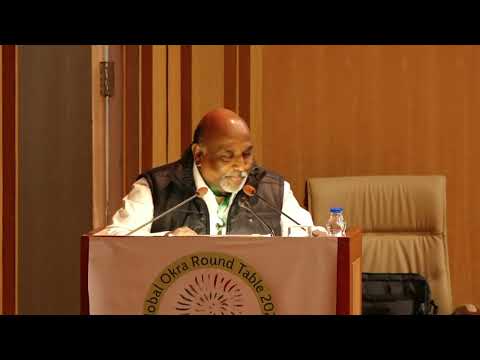 ATPBR Conference Video
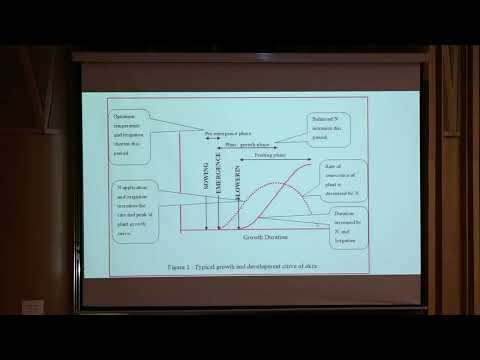 ATPBR Conference Video